Winter Fog Riding Guide for E-Bike Students 2026

Winter fog in Punjab can turn a familiar college road into a dangerous one in minutes. On an e-bike, you are smaller, quieter, and harder to see than a car, so fog needs its own rules.
Latest Details
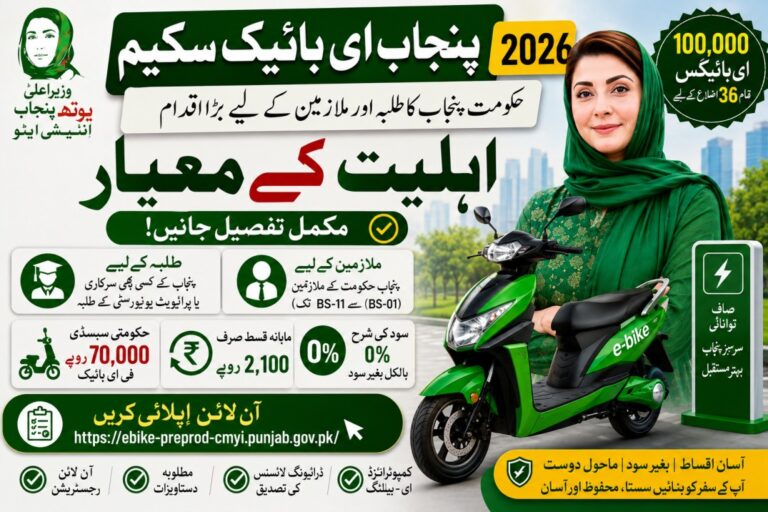
Latest update — 21 November 2026: distribution of the 100,000 Phase 2 electric bikes will begin in December 2026 — Chief Minister Maryam Nawaz Sharif announced the revised schedule on 10 November 2026 in Jhelum, after the earlier 5 November date passed without distribution starting. That puts the first rides right in the fog season, so the checks in this guide matter from day one.
The balloting date has not been officially confirmed and no official winner list has been published, so check your own status only on your dashboard at bikes.punjab.gov.pk. Selected students will also receive a free helmet and safety rod with two days of riding training — attend both days, and take your winter questions to the trainer.
This guide is for November and winter riding only. It does not change your loan, training, or scheme terms, and it does not replace road rules you must already follow.

Why Fog Is Dangerous For E-Bike Riders
Fog reduces what you and other drivers can see, and it hides speed and distance.
- Low Visibility: other drivers may not see a small, quiet e-bike in fog.
- Hidden Distance: a vehicle that looks far away may in fact be close.
- Wet Roads: fog leaves roads damp, so braking takes longer.
- Slow Reaction: everyone on the road needs more time to react in fog.
Before A Foggy Ride: The Go Or Wait Decision
The safest fog decision is often to wait, and waiting is never a failure.
| Fog Level | Best Action |
|---|---|
| Light fog, clear road | Ride slowly, lights on |
| Thick fog, short sight | Delay the ride |
| Zero visibility | Do not ride |
| Fog lifting slowly | Wait until clear |
- Check First: look outside before leaving, and do not rely on yesterday’s weather.
- Tell Family: tell a family member your route and expected arrival time.
- Backup Plan: keep a backup travel plan for thick fog days.
- Late Is Safe: arriving late is always better than arriving injured.
Lights, Visor And Visibility Checks
In fog, being seen matters as much as seeing, so check every visibility item first.
- Headlight On: keep the headlight on in fog, even in daytime.
- Indicators Working: test indicators before leaving, and use them early.
- Visor Clean: clean your visor, and never ride with a fogged or dirty visor.
- Bright Clothing: wear bright or reflective clothing, with no loose ends.
Speed, Distance And Braking In Fog
Your normal speed is too fast for fog. Slow down far below the bike’s top speed.
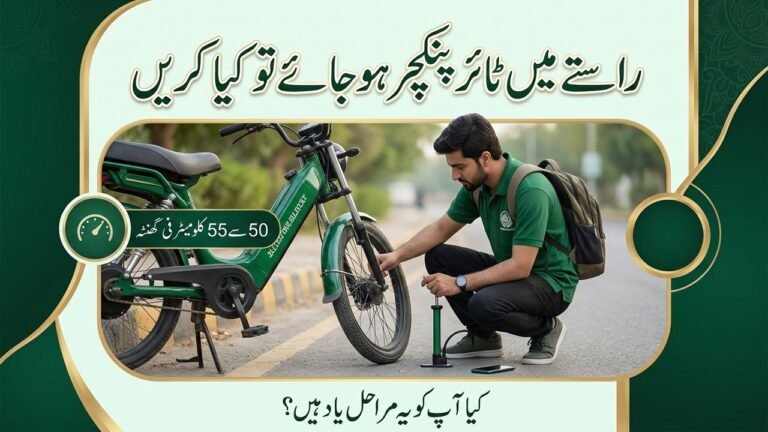
- Slow Speed: ride well below 50 to 55 km per hour in fog, and slower still in thick fog.
- Large Gap: keep a much larger gap from the vehicle ahead than usual.
- Gentle Braking: brake gently and early, because damp roads lengthen stopping distance.
- No Overtaking: do not overtake in fog, when you cannot see the road ahead.
Battery And Cold Weather Care
Cold weather can affect battery performance, so plan charging with extra care in winter.
- Charge Fully: start foggy days with a full charge, not a half charge.
- Check Level: check the battery level before leaving, and keep return reserve.
- Dry Charging: charge only in a dry, ventilated place, away from damp bedding.
- Cable Check: check the charger cable for damp or damage before use.
What To Do If Fog Thickens Mid-Ride
If fog thickens while you are riding, do not push on and hope it clears.
- Slow Down: slow down at once, and move to a safe stopping place.
- Stop Safely: stop well off the road, away from traffic, with lights on.
- Wait It Out: wait until visibility improves, and tell your family you are delayed.
- No Phone Riding: never use your phone while riding, even to check the weather.
Clothing in winter fog needs care as well. A thick shawl, muffler, or loose cloth can catch in a wheel or block your hearing, so keep winter clothing snug and close to the body. Gloves should keep your hands warm without making the brakes hard to feel. If your hands are too cold to brake firmly, stop and warm them before continuing. Cold hands, a fogged visor, and a damp road together are a dangerous combination, and no college class is worth riding through it.
Junctions and crossings deserve extra caution in fog. Slow down at every junction, even when the road looks empty, because a pedestrian, cyclist, or vehicle can appear suddenly from the fog. Do not follow a large vehicle closely to use its lights as a guide, because you cannot see the road ahead of it, and it may stop suddenly. Keep your own gap, your own lights, and your own speed, and let faster traffic pass you safely.
Finally, keep your winter routine simple and repeatable. Check lights, visor, brakes, tyres, horn, and battery before every winter ride, and note anything that feels different. Clean the number plate after foggy or wet rides, so it stays readable. Keep your helmet on every ride, with the strap fastened, and attend your two days of training with winter questions ready for the trainer. A small daily check, done honestly, is what keeps a winter rider safe.
- Snug Clothing: no loose cloth near wheels, and gloves that still allow firm braking.
- Junction Rule: slow down at every junction, even when the road looks empty.
- No Following Close: never follow a large vehicle closely in fog.
- Daily Winter Check: lights, visor, brakes, tyres, horn, and battery, before every ride.
FAQs
Should I ride in thick fog?
No, delay the ride in thick fog, and do not ride when visibility is near zero.
Should my headlight be on in daytime fog?
Yes, keep the headlight on in fog, even in daytime, so others can see you.
What speed is safe in fog?
Ride well below the 50 to 55 km per hour top speed, and slower still in thick fog.
What if fog thickens during my ride?
Slow down, stop safely off the road with lights on, and wait until visibility improves.
Does cold weather affect my battery?
Cold can affect battery performance, so start with a full charge and keep return reserve.

Conclusion
Winter fog rewards patience, not speed. Check visibility first, ride slowly with lights on, and wait out thick fog rather than pushing through it.
Keep your visor clean, your clothing snug, and your battery charged, and confirm scheme updates only on the official portal. A delayed arrival is always better than a dangerous ride.